or call (602) 265-0905 — no-obligation, on-site.
Monsoon Shade Structure Inspection in Arizona
Pre- and post-monsoon inspection for commercial shade structures: what to check on fabric, cables, fasteners, and footings before Arizona storms hit, and after.
Since 1998
Designing & building Arizona shade
In-House Fabrication
Built at our Phoenix shop
Engineered & Permit-Ready
Stamped drawings for AZ wind loads
Free On-Site Quote
No-obligation project assessment
A pre-monsoon shade structure inspection is a 30-to-60-minute check of fabric tension, cables, fasteners, and footings that catches small problems before a 60-plus-mph microburst turns them into a torn cover or a leaning frame. Arizona’s monsoon runs roughly mid-June through September, and the failures it causes almost never start in July; they start as a loose turnbuckle, a slack panel, or a rusting base plate that sat unnoticed since spring. A once-a-year inspection before the season, plus a quick walk-through after any major storm, is the cheapest insurance a commercial shade asset carries. This guide covers exactly what gets checked, why timing matters, and how property managers schedule it across a portfolio.
Why a pre-monsoon inspection matters
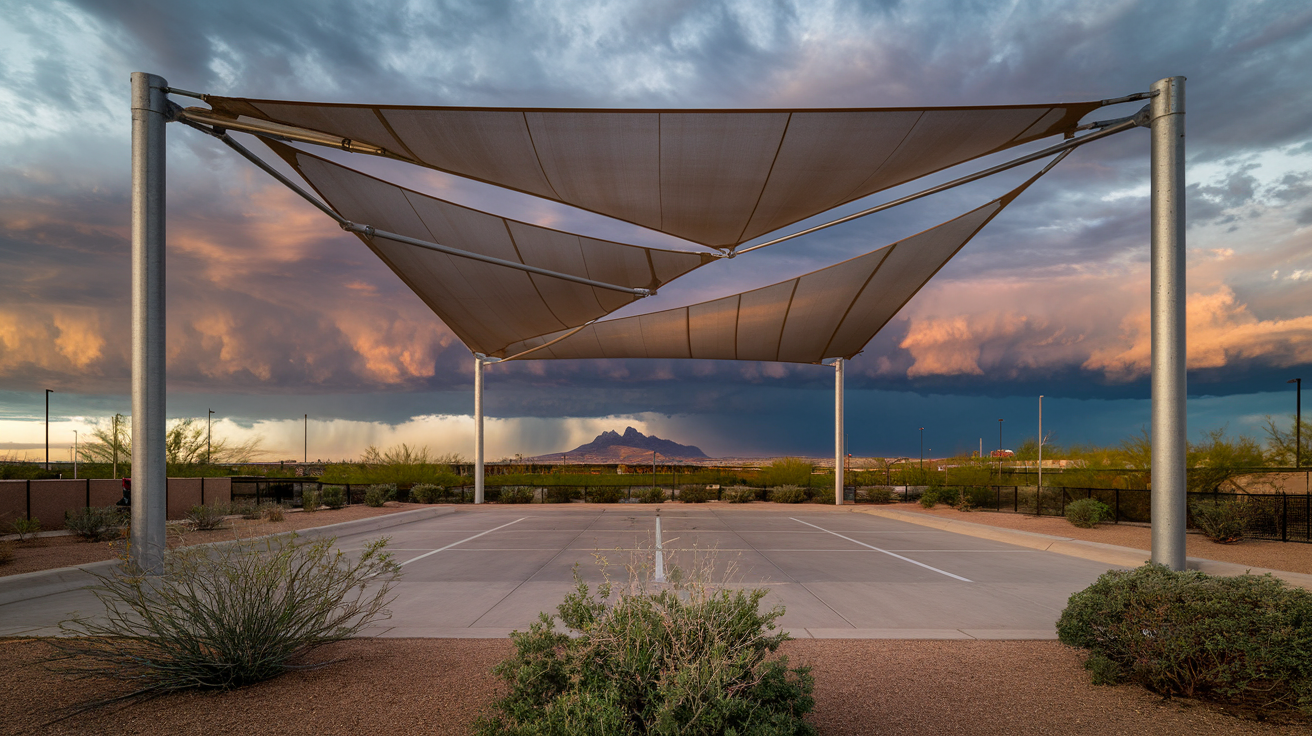
Most monsoon shade failures are slow problems that a fast storm finishes off, which is why inspecting in May or early June pays for itself the first time a microburst rolls through. Fabric tension relaxes a few percent every year, bolts back off under thermal cycling, and powder-coat chips open a path for rust at the base plate, none of which is dangerous on a calm day. Then a downdraft exceeding 60 mph arrives in minutes with no warning, and a cover that was merely slack becomes a sail with a tear starting at its highest-stress corner.
The math favors prevention by a wide margin. Re-tensioning a panel or snugging a turnbuckle is a maintenance-call line item; replacing a shredded cover or straightening a wind-bent column is a four-figure repair, and a structure down for weeks in peak summer leaves a parking lot, patio, or playground baking. Catching the problem in spring is the difference between a tune-up and a rebuild. An inspection behaves more like an oil change than a repair: routine, cheap, and the thing that prevents the expensive failure rather than reacting to it.
The inspection checklist: tension, cables, fasteners, footings, fabric
A thorough inspection walks five systems in order, because each one feeds the next: fabric tension, cables and turnbuckles, fasteners, footings, and the fabric itself. Skipping any one of them leaves a gap a gust will find. The point is to confirm the whole load path, from the cover down to the concrete, is doing its job before the season tests it.
What a full check covers
- Fabric tension. A correctly set cover is drum-tight; a panel that flutters or sags has lost tension and will fatigue, flap, and tear early. Re-tensioning is typical every few years, and a sagging cover in spring is a re-tension, not a replacement.
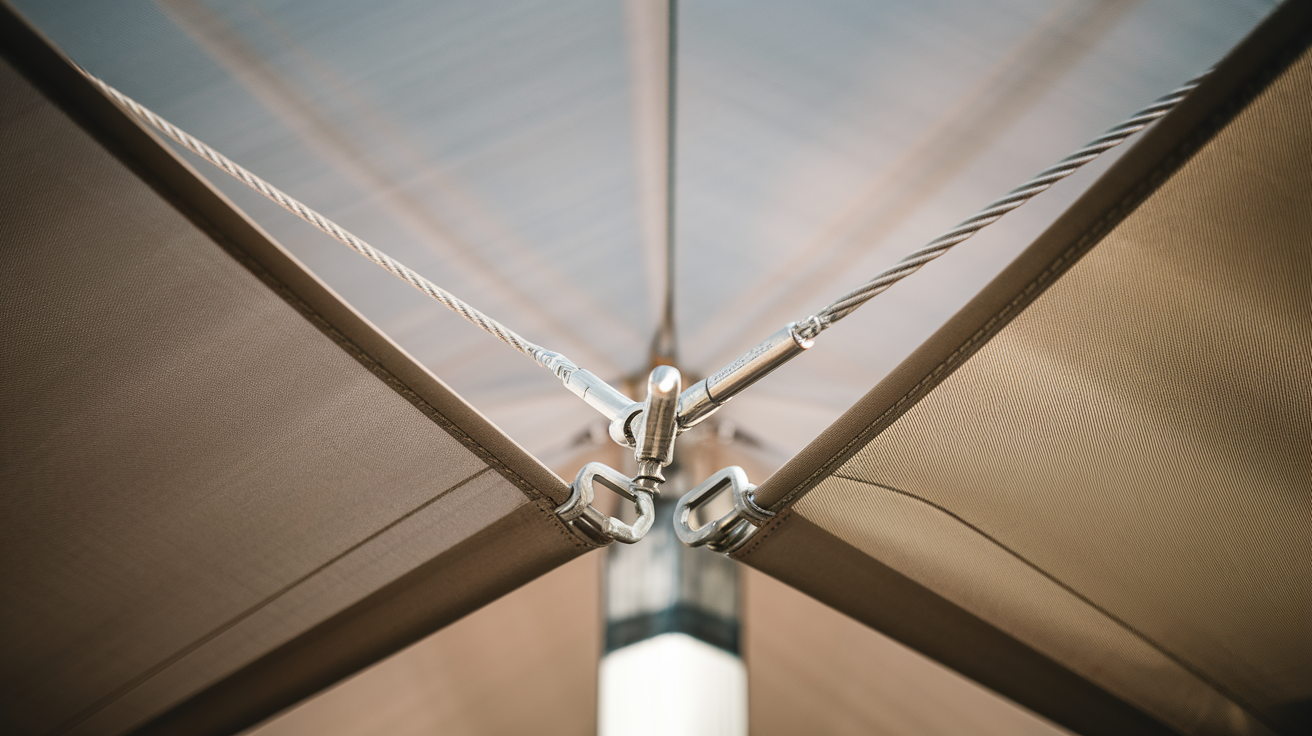
- Cables and turnbuckles. On tensioned sails, the cable and turnbuckle hardware carries the load. Inspectors check for frayed strands, backed-off turnbuckles, missing safety clips, and any sign a fitting has started to slip.
- Fasteners. Every bolt, clamp, and bracket gets checked and snugged to spec, since thermal cycling across a 50-plus-degree daily swing loosens hardware over a year.
- Footings and base plates. The foundation resists uplift as much as the steel does. Inspectors look for movement, hairline cracks in the concrete, rust at the base plate, and any gap where a caisson 4-10 ft deep should sit dead-still.
- Fabric wear. Knitted HDPE shade fabric carries a 10-15 year service life, but it shows its age first at the corners and seams; early fraying there is the warning to plan a re-cover.
Footing problems and frame movement are different from a simple loose bolt; when a base plate has shifted or a column shows a permanent lean, that crosses into shade structure frame repair rather than routine maintenance. The checklist tells you which bucket a problem lands in.
Post-storm assessment after microbursts and haboobs
After any major monsoon storm, a quick post-storm walk-through finds the damage that a microburst or haboob left behind before it gets worse. Monsoon downdrafts can exceed 60 mph and flip a cover’s load from downward pressure to sudden uplift in seconds, so the stress shows up in places a calm-day glance misses. The goal is not a full re-inspection; it is a targeted look at the points a gust attacks.
Start at the corners and seams, where uplift concentrates and a small tear begins. Check that every turnbuckle and cable fitting still holds the tension it had before the storm, since a single gust can back one off. Look at the base plates for fresh movement or a new crack, and step back to sight down each column for a lean that was not there last week. Haboobs add their own job: wall-of-dust events cake the weave, and that grit holds moisture and accelerates wear, so a rinse after a heavy dust event keeps the fabric breathing. If the cover took a tear or a panel pulled loose, that moves into canopy replacement and repair, where the consumable fabric gets swapped while the engineered steel stays in place. A 15-minute look after the storm is what keeps a small tear from becoming a lost cover by the next one.
Maintenance that extends a structure’s life
Routine maintenance is what lets a commercial shade structure reach its full 25-plus-year run instead of aging out early, and almost all of it is cheap and scheduled. The steel frame, when powder-coated and kept rust-free, is the long-lived part; the fabric is the consumable, and how it is treated decides whether it hits the low or high end of its 10-15 year window. Maintenance is the lever that moves a cover toward the high end.
Three habits do most of the work. Re-tension on a schedule, typically every few years or whenever a panel reads slack, because a drum-tight cover works with the wind instead of flapping against it. Rinse the fabric periodically, especially after a haboob, since caked dust traps moisture, dulls the weave, and can void a manufacturer warranty if left to bake in. And touch up powder-coat chips before they spread, because surface rust at a base plate is slow until it is not. When the fabric finally reaches the end of its life, a shade fabric replacement re-covers the same engineered frame for a fraction of a new build, and the steel is sized to outlast several covers. The frame is the 25-year asset; the fabric is the part you renew, and maintenance is how you protect both.
Scheduling inspections across a portfolio
For a property manager, HOA, or school district with multiple structures, the right cadence is one full inspection before monsoon season and a quick post-storm check after any major event, batched across the whole portfolio in a single visit. Spring, roughly April through early June, is the window: it lands before the first storms and leaves time to re-tension or order parts without racing a forecast. Booking it as a standing annual line item beats reacting after something tears in July.
The portfolio approach is what makes it efficient. A campus with a dozen playground covers, a managed property with a parking-lot canopy and pool cabanas, or an HOA with ramadas across several common areas all benefit from one technician working the list in sequence rather than separate trips. Tie the inspection to the same spring window every year and the cost stays predictable while the structures stay storm-ready. Each cover’s age also tells you what to plan for: a frame approaching the 10-15 year mark on its fabric is a re-cover to budget, not a surprise. The full lineup of structure types, each with its own inspection points, lives on our products page. Set the annual date once and the season stops being a fire drill.
The honest limits of inspection
An inspection lowers the odds of a monsoon failure, but it does not make a shade structure storm-proof, and a credible inspector says so. The fabric is engineered to be the part that gives way first: when a gust exceeds what the cover was tensioned for, a well-designed structure lets the fabric shed loose or tear at the seam rather than transfer that force into the columns and footings, where failure would be far costlier. A torn cover after a record microburst is often the system working as intended, not a sign the inspection missed something.
So the honest framing is this. A spring inspection catches the slack tension, loose hardware, and early rust that turn a survivable storm into an expensive one, and that is most failures. It cannot guarantee a cover against a freak burst beyond its 90-115 mph design wind range, and the deeper engineering trade-offs behind those ratings sit in our guide to shade structure wind load engineering. Treat the fabric as a renewable layer, inspect on a schedule, and plan for the occasional re-cover the way you plan for new tires, not a recall.
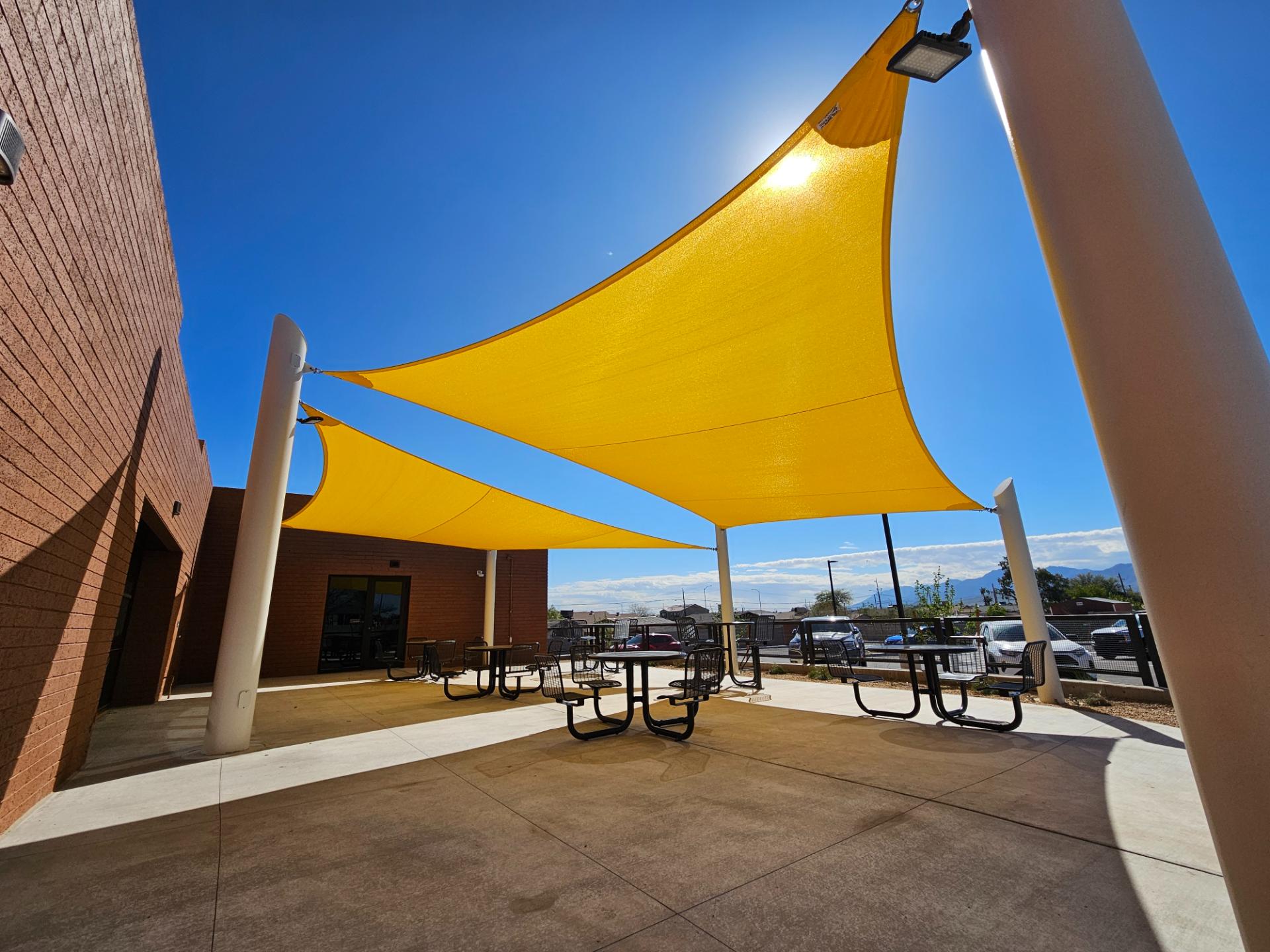
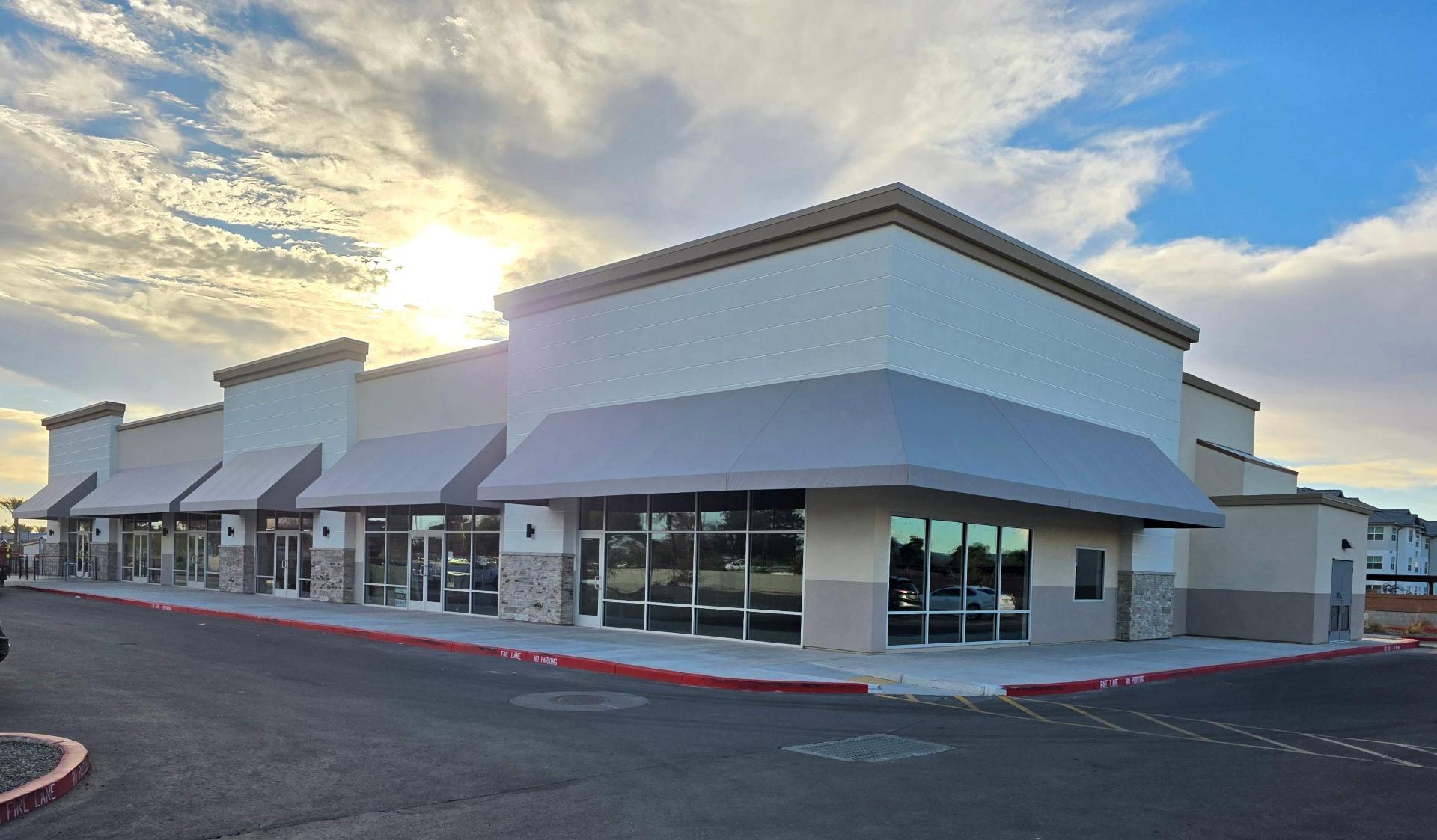
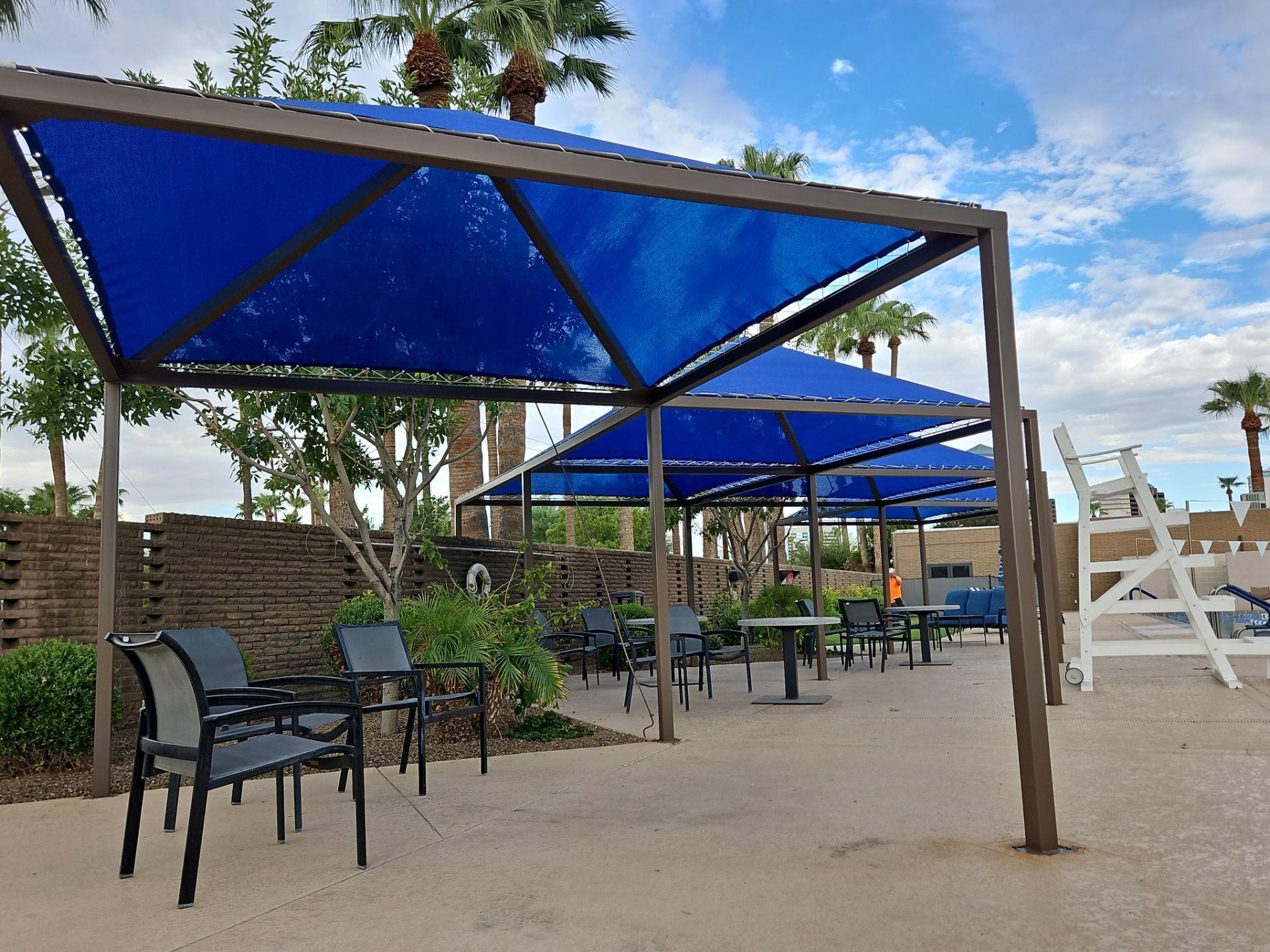
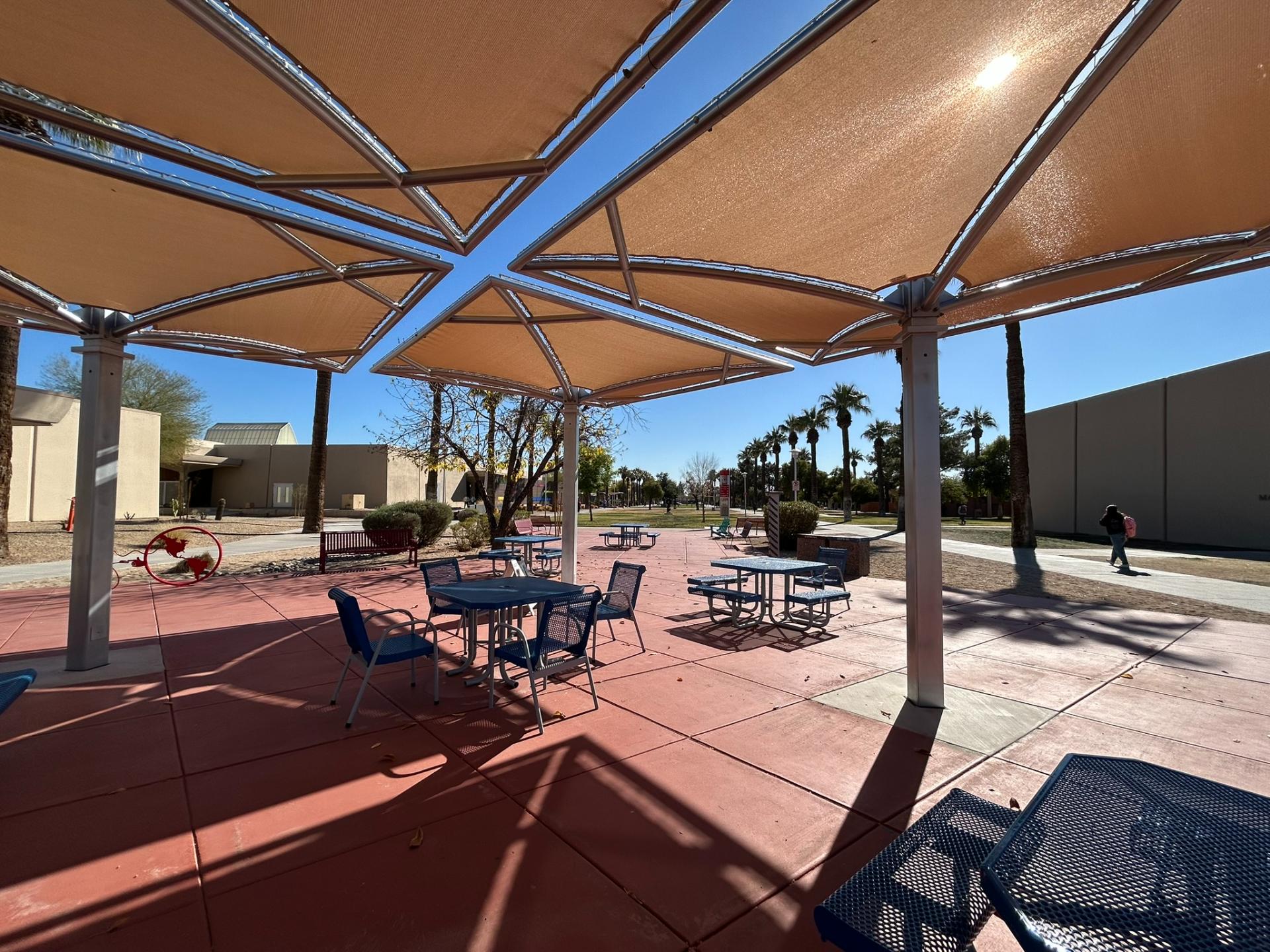
Shade Structures We Build
Need a shade structure repaired or re-covered?
Call (602) 265-0905 for a free assessment.
Frequently Asked Questions
When should I inspect my shade structures before monsoon season?
Inspect once a year in spring, roughly April through early June, before Arizona’s monsoon ramps up around mid-June. That window leaves time to re-tension panels, snug hardware, or order parts without racing a storm forecast. Booking it as a standing annual line item is far cheaper than reacting after a 60-plus-mph microburst tears a cover in July, and it keeps the structure storm-ready through the September end of the season.
What does a pre-monsoon shade inspection check?
A full inspection walks five systems: fabric tension (the cover should be drum-tight), cables and turnbuckles (checked for fraying and backed-off fittings), fasteners (every bolt snugged to spec after a year of thermal cycling), footings and base plates (checked for movement, cracks, or rust), and the fabric itself (early wear shows first at corners and seams). Each one feeds the next, so the whole load path from cover to concrete gets confirmed before the season tests it.
What should I check after a monsoon storm or microburst?
After a major storm, do a quick 15-minute walk-through focused on where gusts attack: the fabric corners and seams for new tears, every turnbuckle and cable fitting for lost tension, base plates for fresh movement or cracks, and each column for a lean that was not there before. After a haboob, rinse the weave, since caked dust holds moisture and accelerates wear. A torn cover or pulled panel moves into canopy repair, where the fabric is swapped and the steel stays put.
How much does a shade structure inspection cost?
Inspection pricing depends on how many structures are involved, their size, and access, so a single freestanding canopy costs less than a campus of a dozen playground covers checked in one visit. The economics favor it strongly either way: a routine inspection plus a re-tension is a maintenance-call line item, while a shredded cover or a wind-bent column runs into four figures. Batching a whole portfolio into one spring visit keeps the per-structure cost predictable.
How often should commercial shade structures be inspected?
Plan on one full inspection per year before monsoon season, plus a quick check after any major storm. Re-tensioning is typically needed every few years as fabric relaxes, and the cover itself has a 10-15 year service life, so an annual look also tracks where each structure sits in that window. This cadence is what lets a powder-coated steel frame reach its full 25-plus-year run while the consumable fabric is renewed on schedule.